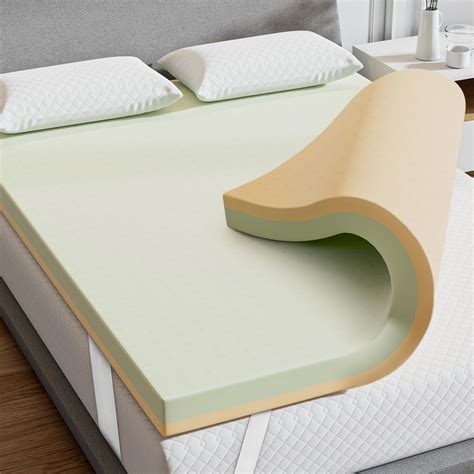
My Experience With Memory Foam Mattresses And Their Life Expectancy
As someone who has struggled with back pain for years, I decided to invest in a memory foam mattress a few years ago. I was skeptical at first, but after a few nights of sleeping on it, I was hooked. Not only did my back pain decrease, but I found myself sleeping more soundly and waking up feeling refreshed.
Memory Foam Mattress Life Expectancy
One question that often comes up when it comes to memory foam mattresses is their life expectancy. How long can you expect a memory foam mattress to last?
The Answer:
The life expectancy of a memory foam mattress depends on a variety of factors, including the quality of the foam, the density of the foam, and how well the mattress is cared for. On average, a memory foam mattress can last anywhere from 8 to 10 years.
Current Trends in Memory Foam Mattress Life Expectancy
As memory foam mattresses continue to gain in popularity, manufacturers are constantly looking for ways to improve the life expectancy of their products. One trend that has emerged in recent years is the use of higher density foam. Higher density foam can offer better support and durability, which can extend the life of the mattress.
Top 10 Tips for Extending the Life of Your Memory Foam Mattress
- Invest in a high-quality mattress protector to keep your mattress clean and free of stains.
- Rotate your mattress every 3 to 6 months to prevent uneven wear and tear.
- Avoid jumping or standing on your mattress as this can damage the foam.
- Keep your mattress in a well-ventilated room to prevent moisture buildup.
- Avoid exposing your mattress to direct sunlight as this can break down the foam over time.
- Use a supportive bed frame to prevent sagging and increase the lifespan of your mattress.
- Don’t overload your mattress with heavy objects as this can damage the foam.
- Keep your pets off your mattress to prevent damage from claws and accidents.
- Follow the manufacturer’s care instructions carefully to avoid voiding the warranty.
- Consider replacing your mattress every 8 to 10 years to ensure optimal comfort and support.
Pros and Cons of Memory Foam Mattress Life Expectancy
Pros:
- Memory foam mattresses can last up to 10 years, which is longer than many traditional mattresses.
- The use of higher density foam can increase the lifespan of the mattress.
- Proper care and maintenance can help extend the life of your memory foam mattress even further.
Cons:
- Memory foam mattresses can be more expensive than traditional mattresses.
- The foam can break down over time, which can impact the comfort and support of the mattress.
- Older memory foam mattresses may not offer the same level of support and comfort as newer models.
My Personal Review and Suggestion
Overall, I have been extremely happy with my memory foam mattress and its life expectancy. With proper care and maintenance, I am confident that it will continue to provide me with a comfortable and supportive sleeping surface for years to come. If you are considering investing in a memory foam mattress, I highly recommend doing your research and selecting a high-quality model that meets your individual needs and preferences.
FAQs
Q: How often should I rotate my memory foam mattress?
A: It is recommended that you rotate your memory foam mattress every 3 to 6 months to prevent uneven wear and tear.
Q: Can I use a heating pad on my memory foam mattress?
A: It is generally safe to use a heating pad on a memory foam mattress, but it is important to follow the manufacturer’s care instructions and avoid using high heat settings.
Q: How can I prevent my memory foam mattress from developing a sagging spot?
A: Using a supportive bed frame and rotating your mattress regularly can help prevent sagging spots from developing.
Related posts: